WEAVING WELLBEING
BY BAJDA WELTY
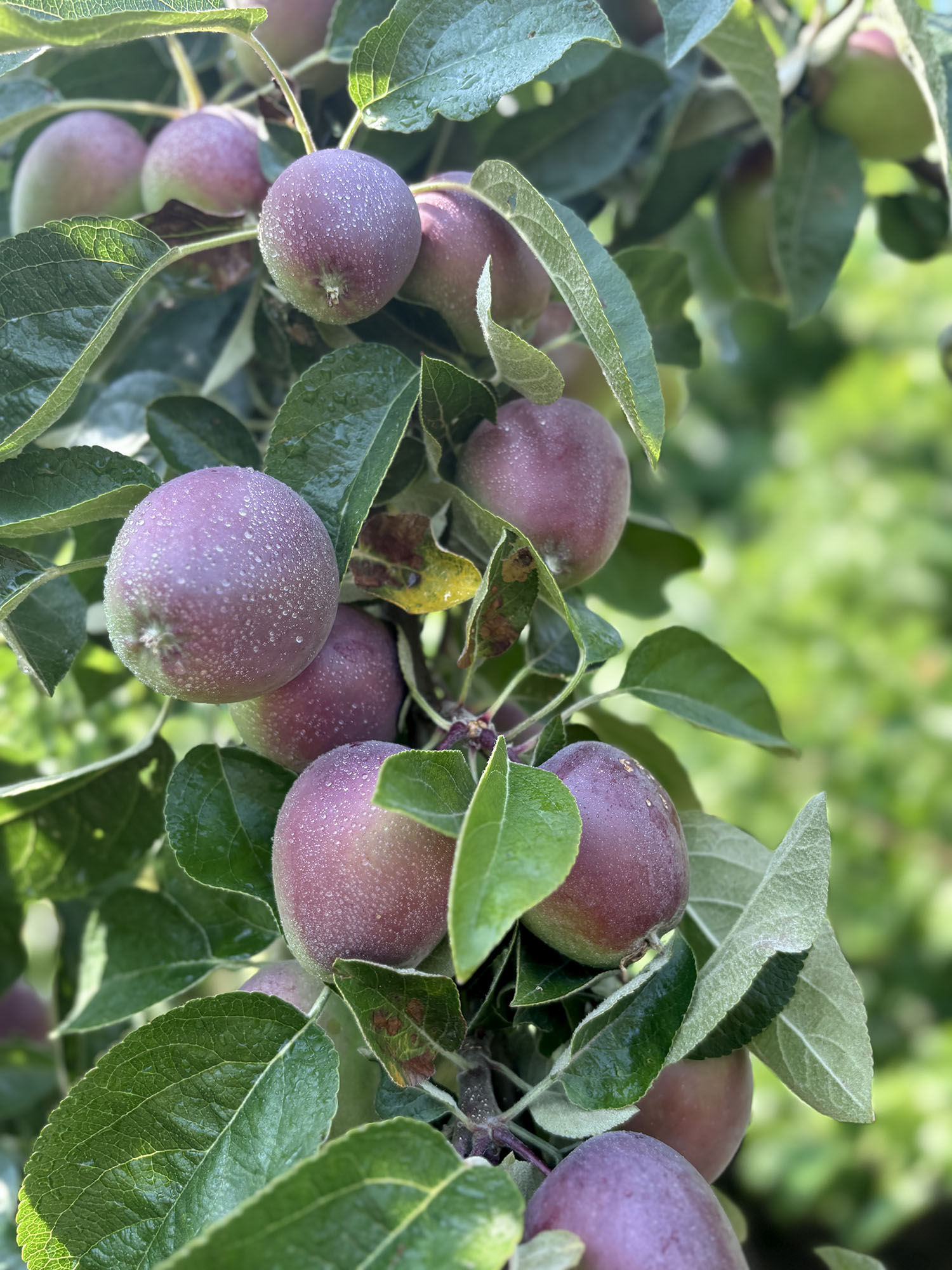
Robust summer energy is waning. The sunlight is a little paler. Harvest time is the grand finale, and the cool foggy morning air of fall whispers the change. Fall is the transformation of warm, bursting, and outgoing energy to a cooler, steadier and accumulating state.
For many, summer is an easier season. Fruits, vegetables, berries, honey, herbs and flowers have all been in abundance, along with physical and mental health. The job of fall is to wind down, consolidate and preserve the overflow of summer. Planning for the winter season, where cold and death reign, may dominate daily thoughts and shape daily
tasks. The fall season is ruled by the element of earth and is all about accumulating nourishment to sustain our muscle, bone and fat tissue during the months ahead. This can mean the actual process of jamming, drying, freezing, canning and dehydrating. This can also mean changing the mental landscape to more moderation, greater structure and less carefree use of time, and physically preparing your body for the change of season.
Acupuncture is a great tool for seasonal changes. I see many patients who come for a visit just four times a year, exactly for this reason. Common afflictions during the summer to fall transition are fatigue, sore throat or cold, allergy symptoms, sinus issues, lower limb pain and swelling or water retention. Many also report feeling emotionally stuck, stressed, moody or worried.
While acupuncture is often used as a treatment for a particular symptom that is interfering with a person’s ability to function, its best, highest use is for prevention. Letting your body, mind and spirit be prepared can prevent symptoms from arising or greatly decrease the amount of time they affect you. As a provider, I listen to symptoms, but I also look and feel for many more subtle signs: a patient’s pulse, tongue, eyes, breath patterns and the color and temperature of the skin each have their own story to tell.
When I think of fall, I can’t help but picture gray, damp mornings, sunny afternoons and lots of spider webs between plants and trees and in the corners of windows in the house. The web itself is a strategic tool engineered by the spider. It is fine yet strong, imperfect yet effective, requires labor and preparation—but what it catches sustains the spider. The web embodies the qualities of the fall season.
What must you prepare for? How can you catch and collect what you need? How will you prepare yourself mentally, physically and emotionally to be sustained all winter long?
With a little preparation and strategy, you can optimize your health and well-being not only to prevent and minimize illness and emotional hardship during seasonal changes, but also to set up a structure—a web—that will continue to provide what you need for months and seasons to come.