
SWEET HERITAGE
BY GEORGE SOLTES | PHOTOS BY GEORGE SOLTES AND COURTESY BAINBRIDGE ISLAND HISTORICAL MUSEUM
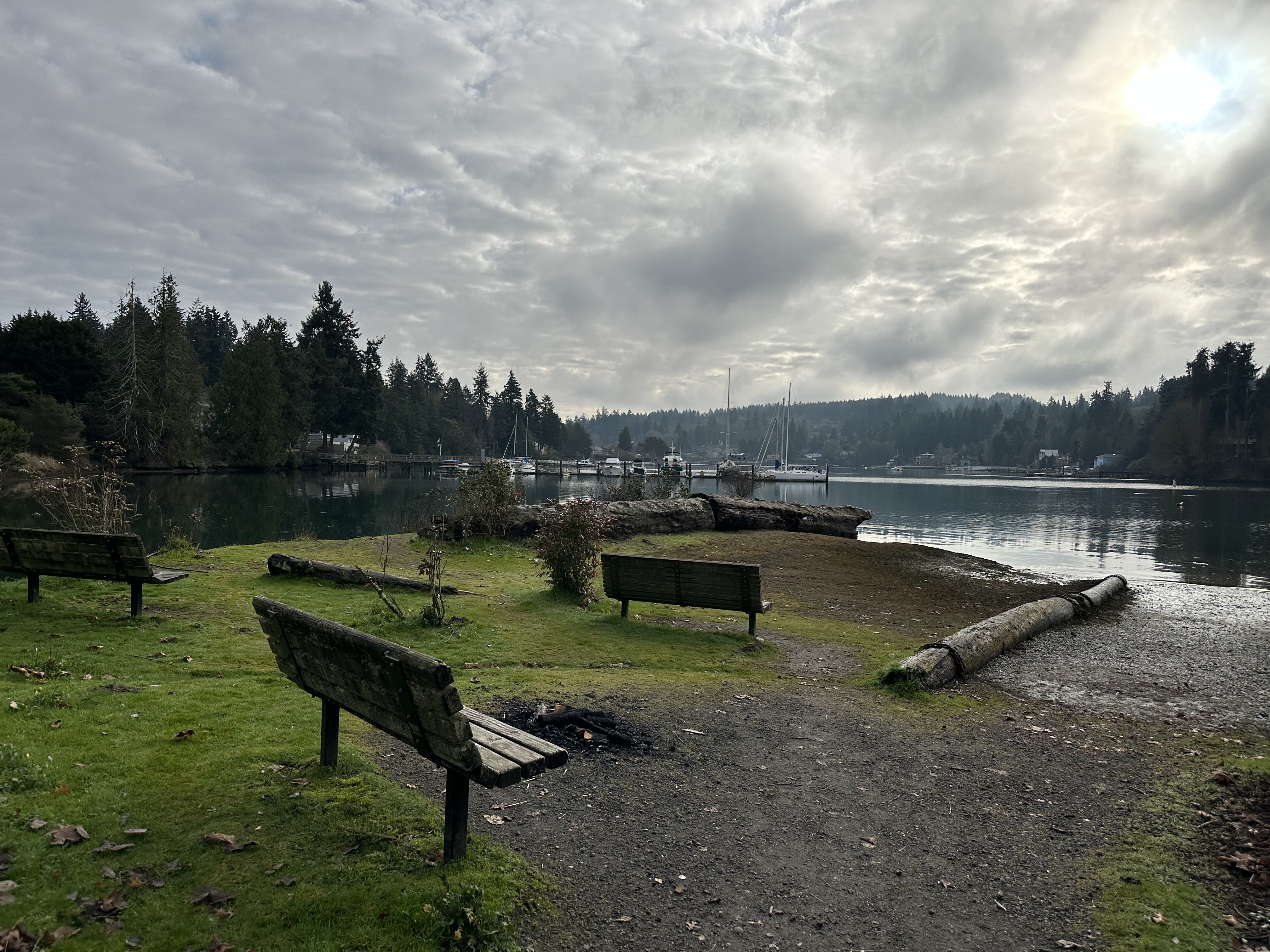
John Nelson Park at Strawberry Cannery Cove is a long name for a small park featuring a five-car parking lot, a single picnic table, a few benches and a pretty view of Eagle Harbor. The name, plus a rock painted like a strawberry at the entrance, are two of the few remaining clues that the modest spot at the end of Weaver Road was once the site of the Winslow Berry Growers Association Cannery, the hub of Bainbridge Island’s strawberry economy.
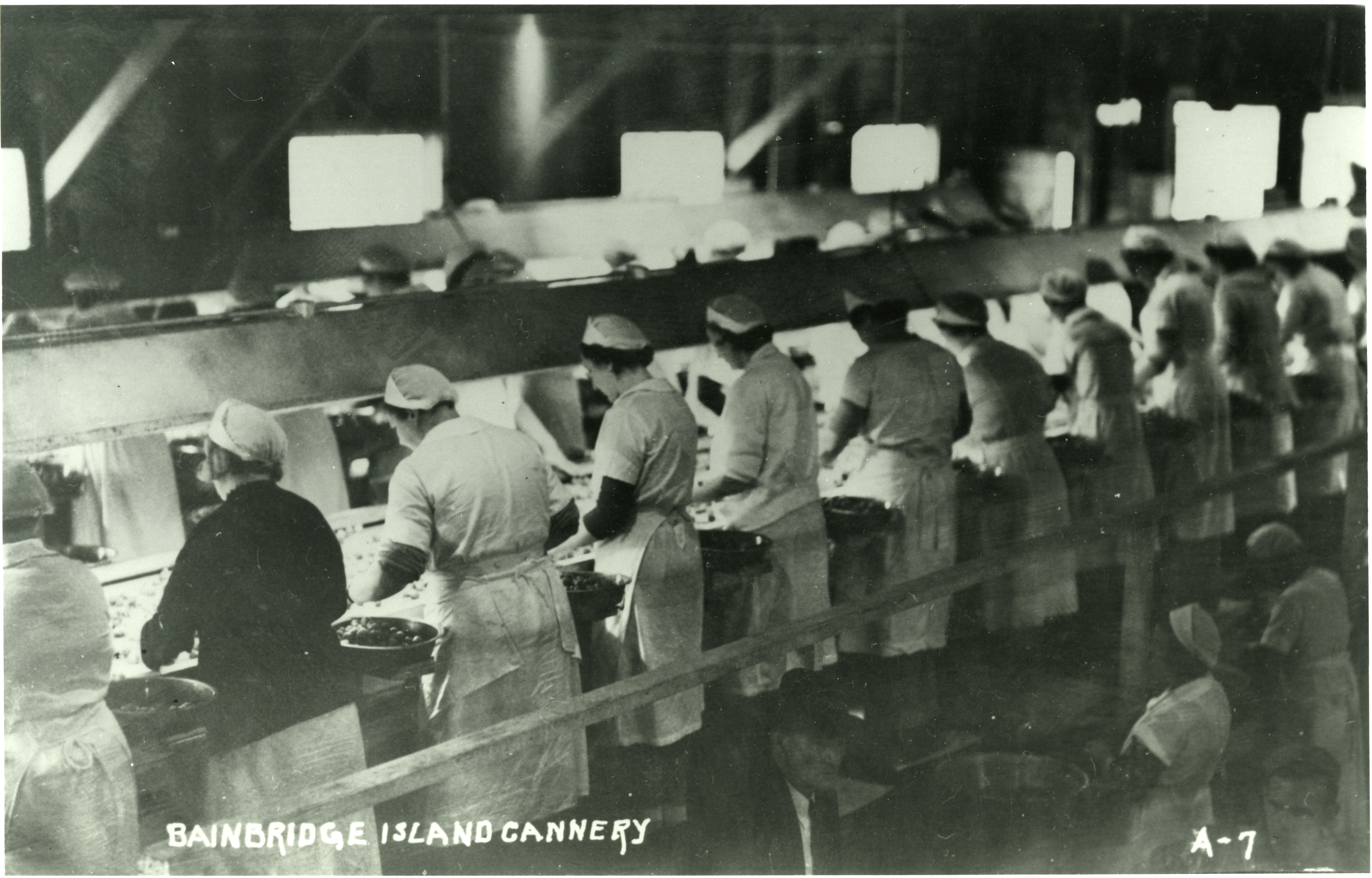
During harvest season, the cannery operated nearly nonstop, with hundreds of women clad in white aprons and caps forming a human assembly line to wash and stem berries, mix them with sugar and pack them in 55-gallon wooden barrels. At its peak in the 1930s, the cannery produced 500 barrels a day, which were frozen and shipped across the country to satisfy the nation’s craving for strawberries—especially the famed Marshall variety, said to be the sweetest and juiciest in the world—in ice cream, jam and preserves.
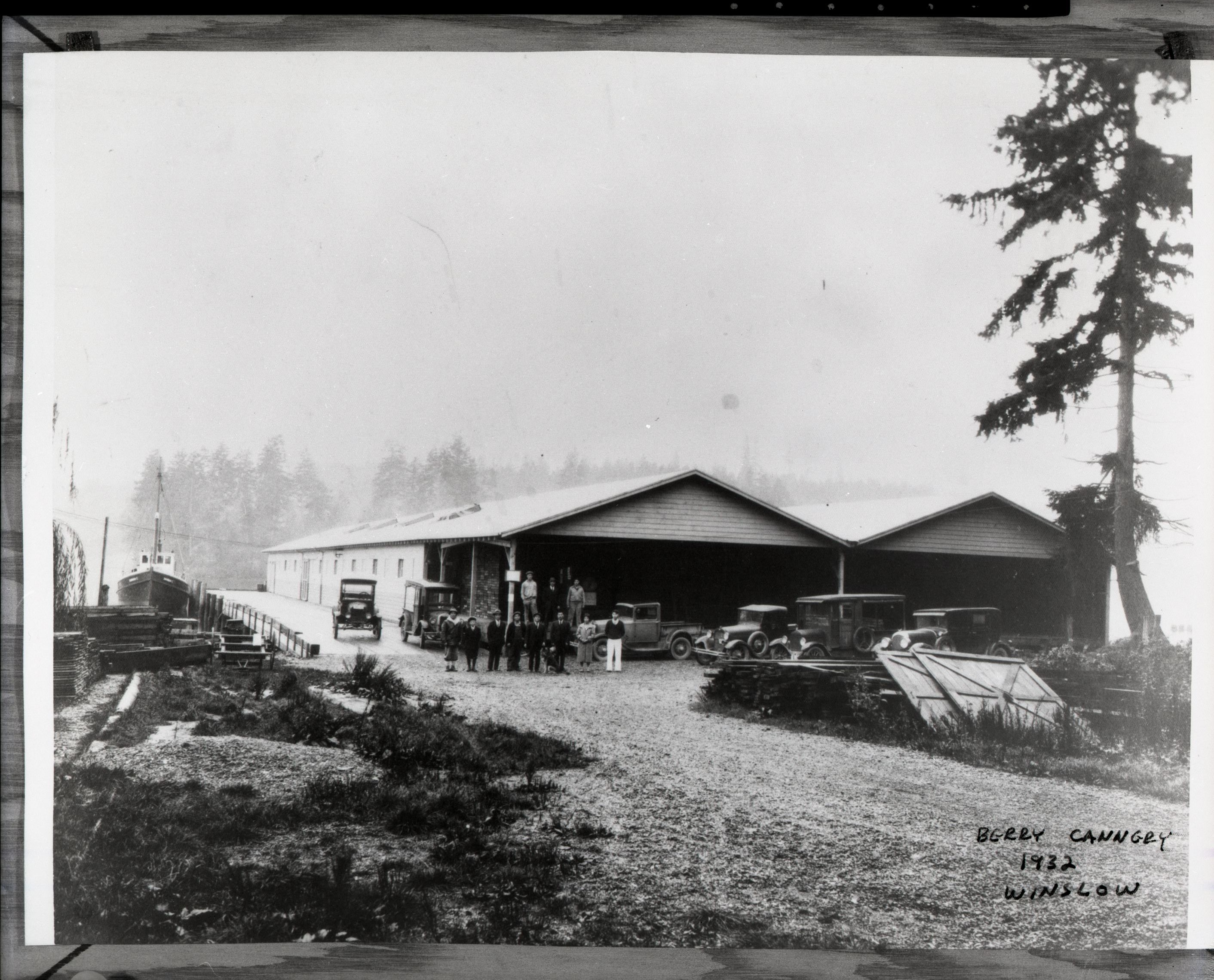
The onset of World War II marked the beginning of the end of Bainbridge’s strawberry era. The cannery grew quiet as the island’s Japanese American strawberry farmers were forcibly deported to concentration camps and resources were diverted to wartime shipbuilding.
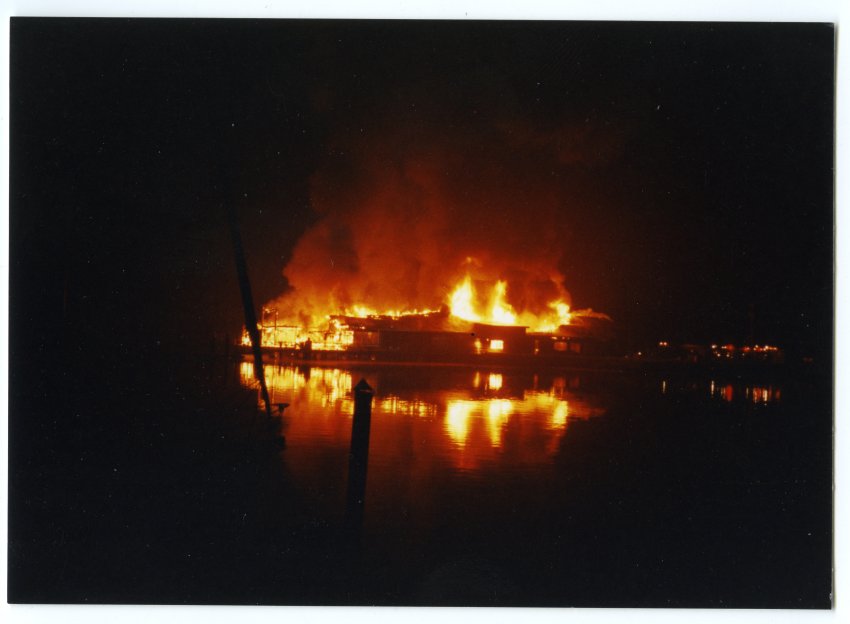
In later years, the building was home to concrete manufacturers, cabinet makers, boat builders, fishermen and piano teachers, before burning to the ground in a spectacular electrical fire in 1997.
If we look closely, the little park with the big name can remind us that, not so long ago, the soul of Bainbridge Island was the strawberry.
