Sharing Stories. Honoring History.
Asian Arts and Heritage Festival Enters its Third Year with Global Reach
By Christy Carley
Photos by Jayden Hwang and Ron Stewart
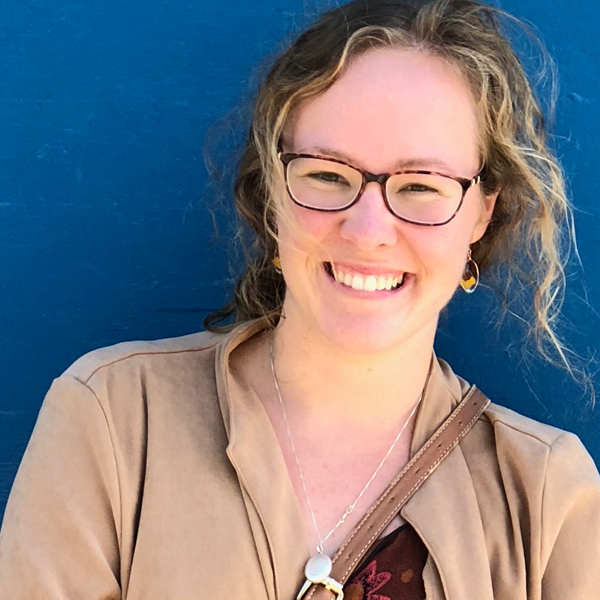
Stephanie Reese has toured the world as a performer. She’s sung in Türkiye, Thailand and New York’s Carnegie Hall, and performed in musical theater productions in Germany and London. But to date, she says her most meaningful performance was at BIMA last spring.
“This specific night might possibly be one of the most important things that I’ve ever been a part of in my life—as a performer, as an artist, as a friend,” said Reese that night, while introducing “The Asian Monologues”, a show that she created for the Asian Arts and Heritage Festival, which she founded a year earlier.
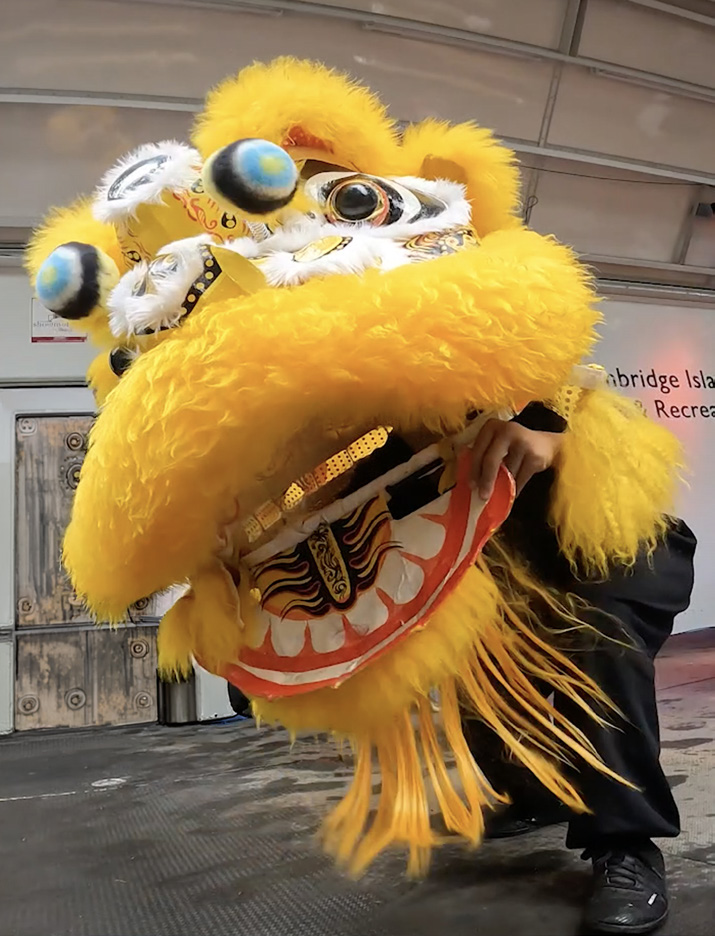
“The Monologues,” first produced in 2025, weave together the stories of different community members: from Island Treasure awardee Gina Corpuz, who spoke of her experience growing up Indipina on the island, to Mayor Clarence Moriwaki, who told a story of racist bullying from his school days. Others shared stories of war, concentration camps and illness. Some of immigration, marriage and adoption. Reese wove the monologues together with her own parents’ love story, which spanned years (and the Pacific Ocean).
Now in its third year, the Asian Arts and Heritage Festival (AAHF) has grown tremendously. This year’s festival––which runs through May, coinciding with Asian American and Pacific Islander month––will include a second performance of “The Asian Monologues,” a vibrant finale at Waterfront Park, and myriad other events celebrating a diversity of Asian histories and cultures.
When Reese dreamed up the idea for AAHF, she was looking for a way to bring stories and cultures together. She had heard of the Mochi and Strawberry festivals but felt that a broader celebration might feel more open to the community at large and would give a platform to islanders whose heritage is less commonly represented locally.
“I just met a woman from Pakistan who is going to be involved in doing a Pakistani Heritage Night,” Reese said. “She’s one of a tiny handful of people (from Pakistan) on the island.”
The idea of a festival encompassing numerous Asian and Pacific Islander cultures is also relevant to Reese’s own story: her mother is Chinese and Filipina, her father is Japanese and Caucasian. Reese grew up in Seattle. The intersection of various histories and nationalities is woven into the fabric of the Asian American experience.
The first edition of AAHF, in 2024, featured four events plus a finale. By the second year, there were 18 events, including a movie screening, cultural performances, and cooking and art classes.
“It was almost an impossible feat,” Reese said. “People just kept adding to the calendar. Which was really exciting because it helped me understand that if we’re like that in just year two, it was something that the community really wanted but just didn’t have yet.”
She hopes that hosting portions of this year’s festival at Waterfront Park will bring visibility to the events and said she’d particularly love to have more youth involvement in the festival. Reese said that the festival is about “participating, not observing.”
“You don’t have to be Asian to want to help celebrate culture,” she said. “I want us to be doing it together. Eating together, gathering together, learning a dance together.”
Reese’s work on the festival will reach beyond Bainbridge. Last October, Reese was honored as one of the 25 Most Influential Filipina Women in the World by the Filipina Women’s Network. The working award will support Reese’s expansion of “The Asian Monologues” into a traveling show. After this year’s performance of the “Monologues” on Bainbridge, the show will travel to Seattle, San Francisco and Los Angeles. Reese says she also has commitments from theaters in New York, Washington D.C. and London. While a few stories will remain the same, each performance will incorporate stories from the city where the show takes place.
The significance of the “Monologues”––and the festival as a whole––at this particular political moment is not lost on Reese.
“In the time that we were doing (the first performance of) “The Asian Monologues,” there was a lot of painful distrust in the government … Even people who are citizens had a lot of fear, just based on how (they) look,” Reese said.
Specifically, she noted, stories of the Japanese American Concentration Camps “gave people pause. … to think, ‘we could be taken away, that could happen again.’”
“Stories are so important, and especially now, in this time we are living in, when culture is being muted across the country, when programs are being muted,” Reese said while introducing the monologues last year at BIMA.
“We are going to protest any muting with joy, celebration, education and honoring our history”