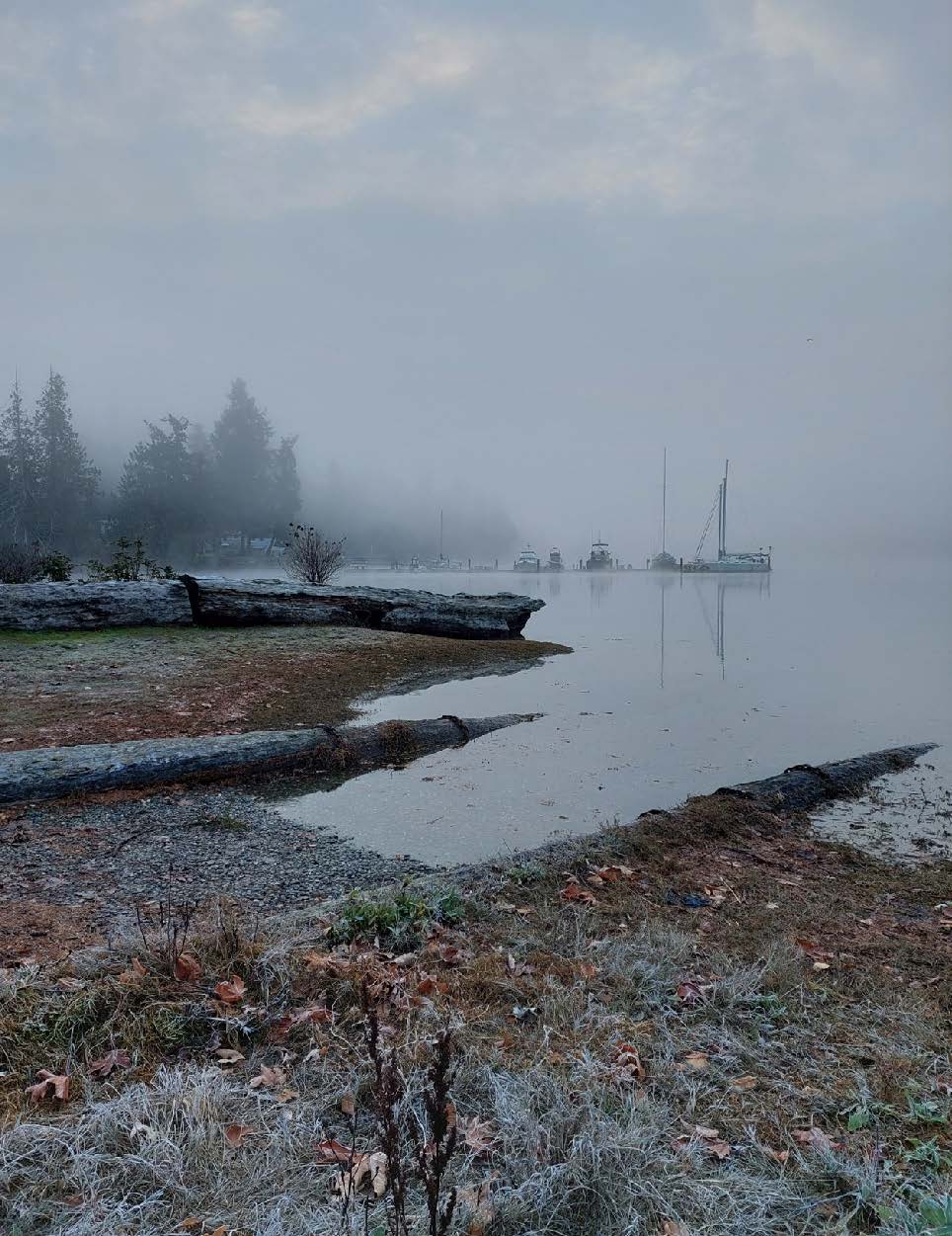
At the intersection of art and nature is a coveted three-week creative residency at the internationally renowned 140-acre Bloedel Reserve. Its stated aim is to “foster creative thinking that is inspired by nature and that explores the connection between humans and the environment.”
The Bloedel Reserve Creative Residency—which comes with a $1,000 stipend—is open to applicants July 15 through September 1 for residency the following year. Residencies include studies in visual arts, performance, film and composition, poetry, prose, fiction and research and design. In 2026, 12 candidates were selected from 285 applicants.
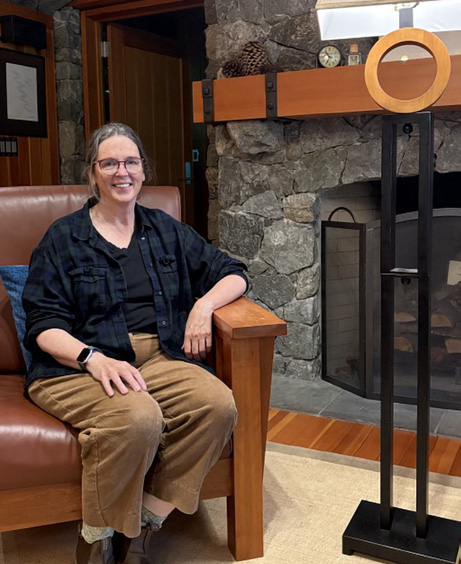
Amy King, Bloedel’s education and creativity manager, explained that residents are selected by an external juried process. Applicants submit three to five work samples and answer written questions about how their work aligns with Bloedel’s mission of celebrating nature, community and creativity. King said that residents sometimes change course, as did a behavioral ecologist who went from “studying bee behavior to getting excited about thatching ants,” aggressive insects that build large dome-shaped mounds.
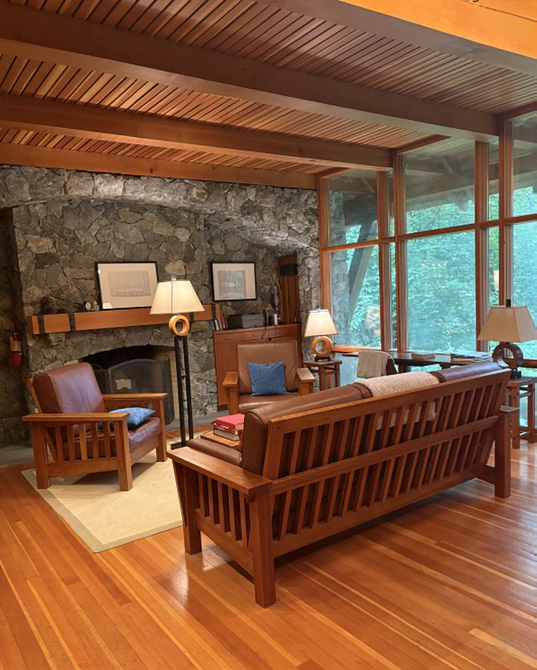
Creative residents stay off the beaten path in a beautifully appointed cabin in the woods which, befittingly, was designed by architect James Cutler, known for his “environmental awareness and seamless integration of architecture within the natural landscape.” The accommodations feature stunning views of an evergreen wonderland from every window.
Since the program’s inception in 2015, current and past residents have ranged from international composers to a Suquamish Tribal member photographer, from debut novelists to award-winning poets and landscape architects, to water colorists and mixed-media artists.
“The residents’ offerings allow us to engage with nature in different ways we might not have thought of,” King said.
Such was the case with a conceptual artist who recorded the magnetic resonances of the fluids moving within trees, and somehow assigned voices to them.
King’s hope for the future? To have the funds to accommodate more residents.